Retail destination marketing is becoming harder to define because retail destinations themselves are becoming harder to define. Our Business Director Hanna, visited Hamburg and Berlin last week on the Revo Study Tour. What stood out to her was how differently each destination approached retail, from mixed-use regeneration to heritage schemes and experience-led concepts, and why marketing strategies need to reflect that.
What UK retail destinations can learn from Hamburg and Berlin
08 May 2026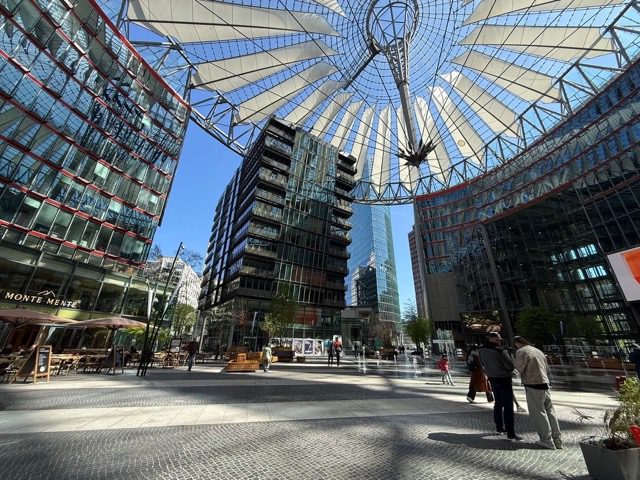

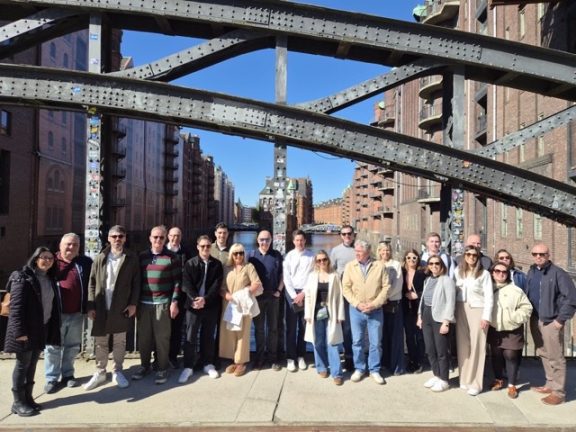
Last week, I spent three days in Hamburg and Berlin on the Revo Study Tour – exploring a diverse mix of retail destinations, hearing directly from asset managers and operators, and connecting with peers across the industry.
Alongside the packed schedule, there was also time to experience the cities properly – the food, the culture, and informal conversations that proved just as valuable and interesting as the formal presentations.
But beyond the individual schemes we visited, what really stood out was how little these destinations had in common – despite all being labelled “retail”.
A tale of two cities – and many retail models
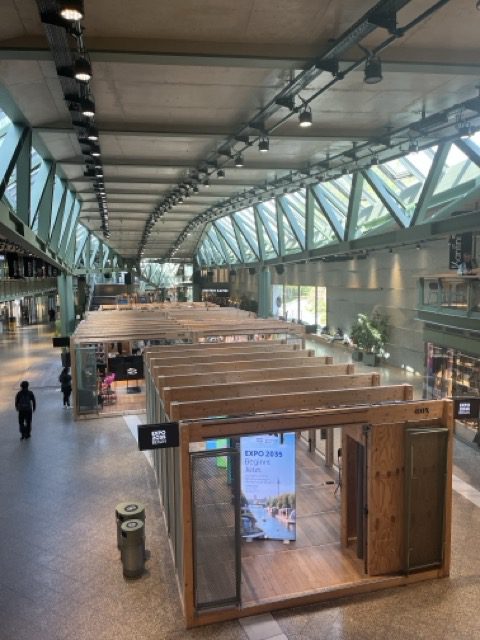
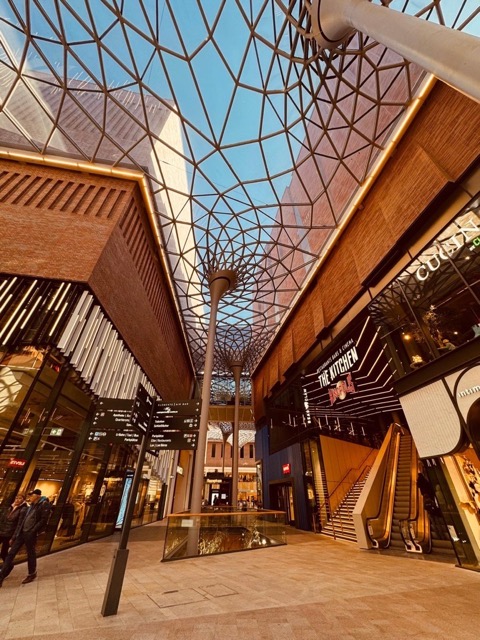
In Hamburg, we started at URW’s Überseequartier, a large-scale, mixed-use development that brings together retail, leisure, residential, hospitality and F&B into one integrated destination.
What struck me most was its relationship with the existing city centre. While it’s positioned as serving a different mission, there is inevitably some overlap. That said, the two work together in a complementary way offering different experiences and reasons to visit, rather than directly competing.
A short distance away, Hanseviertel offered a completely different perspective.
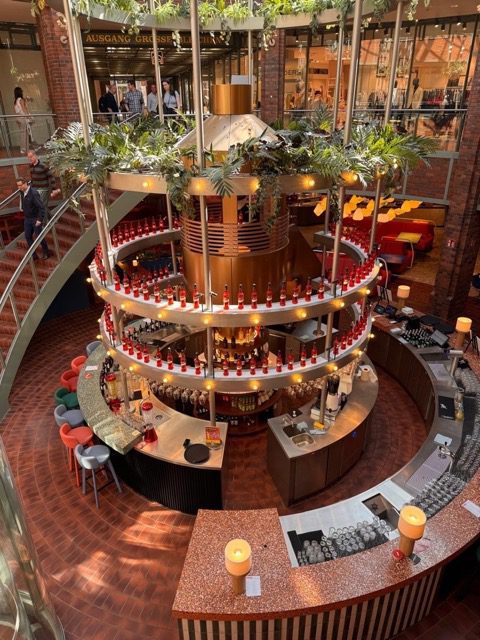
An established, characterful scheme housed within a listed building, it embodies the tension many destinations face today: how to modernise while preserving identity. You can sense that ongoing negotiation throughout – between innovation and heritage, evolution and restraint.
Then there’s Europa Passage, a more traditional city centre scheme focused on convenience and volume. Architecturally bold and multi-layered, it delivers high footfall and functionality – but in a way that feels very different to both Überseequartier and Hanseviertel.
Three schemes, in one city, each playing a distinct role.
Berlin – where retail becomes more experimental
If Hamburg felt structured and commercially defined, Berlin was far more fragmented, and in many ways, more experimental.
Bikini Berlin was a standout. Its focus on independent designers, pop-ups and constantly rotating concepts that creates a sense of discovery that’s hard to replicate. It feels inherently local, almost anti-mall, and offers a compelling alternative to more traditional retail environments.
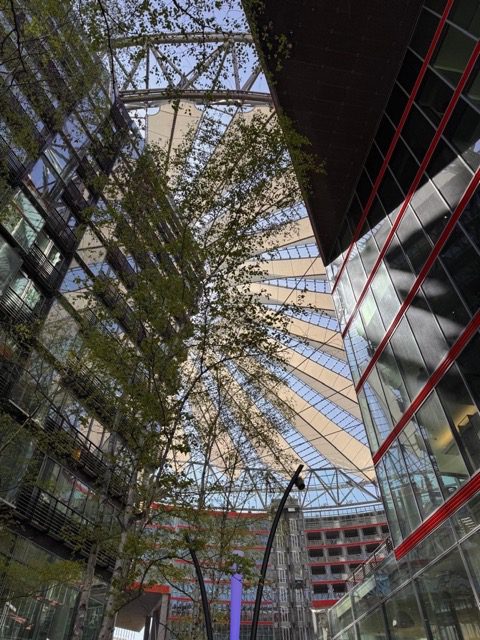
At Potsdamer Platz, we heard first-hand how external pressures like hybrid working and increased competition from nearby schemes like Mall of Berlin, have forced a strategic rethink. The response has been a shift away from pure retail towards a more leisure-led offer, incorporating theatre, dance and experience-driven uses to drive relevance and footfall.
Then there’s KaDeWe, which demonstrates the enduring strength of premium retail when it’s done well. It combines heritage, curation and experience in a way that continues to attract both locals and tourists.
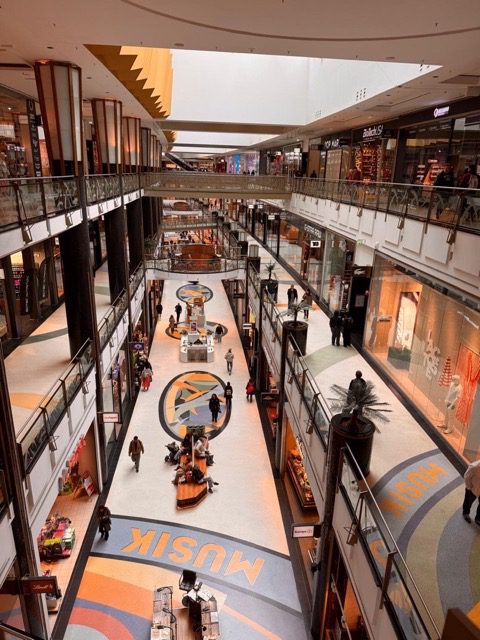
In contrast, Mall of Berlin highlighted some of the challenges facing large-scale, mid-market retail. Despite a strong line-up of brands, a noticeable number of vacant units and a lack of inviting dwell spaces made it feel less engaging. Where Bikini Berlin encouraged you to stay, Mall of Berlin felt more transactional.
There is no such thing as a “typical” retail destination.
Across just two cities, we saw fundamentally different approaches to retail, each shaped by its context, its audience, and its commercial role. From large-scale mixed-use regeneration to heritage-led schemes, from high-footfall convenience retail to curated, independent concepts, each destination was solving for a different challenge.
These places are entirely different propositions and trying to apply a single lens to all of them risks missing what actually makes them work.
What this means for marketing
Viewed through a marketing lens, the implication is very clear – a one-size-fits-all approach simply doesn’t work. Retail destinations aren’t interchangeable and their communications shouldn’t be either.
Having worked across a range of destinations, this is something we see at BWP time and time again. The most successful strategies are those that:
~ Understand the role a destination plays
~ Reflect its audience and catchment
~ Align with its commercial priorities
~ Adapt as those priorities evolve
Whether it’s driving footfall, repositioning perception, supporting leasing, or increasing dwell time, retail marketing needs to flex accordingly.
Final thought
If there’s one thing I’ve taken from Hamburg and Berlin, it’s this, retail isn’t just about the shops – it’s about why it exists, who it’s for, and how it makes people feel. The role of marketing is to bring that to life clearly, authentically, and in a way that is true to each destination.