Thoughts from the CACI Retail Briefing – Desire vs Require
20 Mar 2026

Rethinking “needs vs wants”
Retail has long been structured around ‘needs vs wants’, but consumer behaviour no longer fits neatly into that model. It is far more fluid and context-driven.
Consumers move between value-led and experience-led behaviours depending on context, often within the same journey. CACI framed this through a “trifecta” of location, affluence and age, shaping how purchases are perceived.
The same product can mean different things to different people. Take a white t-shirt, for some, the £5 version is the practical choice; for others, quality, brand or longevity justify a much higher spend. The product is the same, but expectations differ.
For destinations, this means balancing value and inspiration within the same space, serving multiple customer missions at once. Spending is becoming more considered, but expectations of relevance and quality are higher.
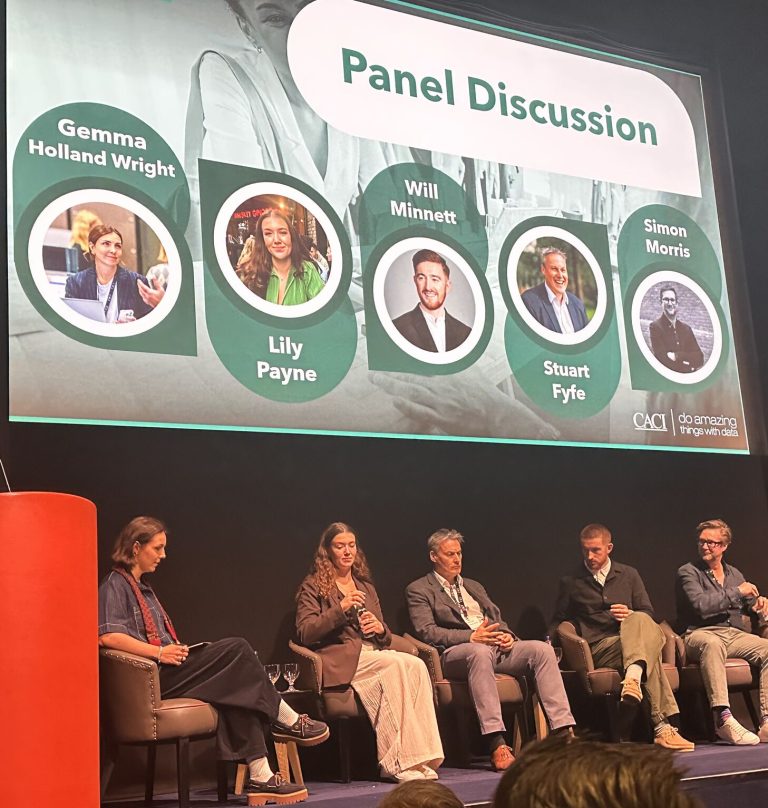
The growing importance of local
The importance of “local” is rising, driven not just by convenience but by broader pressures: supply chains, tariffs, and increased scrutiny on provenance and ethics. At the same time, expectations are becoming more personal, making a one-size-fits-all approach less effective. Globalisation is shifting towards adaptability.
This is visible globally. In Japan, an ageing population is driving smaller, more frequent shopping trips, with a preference for familiarity, quality and local environments.
Broadly, many customers are moving towards a “little and often” approach – smaller, more frequent visits instead of large, infrequent shops. The behaviour is similar across markets, but the motivations vary, from lifestyle to financial pressure.
Success increasingly depends on how well destinations reflect and respond to their local context. Alignment to this is a competitive advantage
With greater choice and higher expectations, alignment is becoming a key differentiator. The strongest destinations are those where landlords, retailers and consumers are working in sync – creating experiences that feel coherent, relevant and easy to navigate.
At BWP, our role is to help build and strengthen these relationships, balancing customer behaviour with commercial priorities to deliver more relevant experiences and stronger performance.
From insight to action
The challenge is understanding and responding to customers, which requires a more adaptive approach – using data to inform real decisions and designing experiences that are genuinely relevant.
CACI introduced their new “Acorn Live” software that brings this to life using AI to let businesses engage directly with their target audiences via its segmentation model, making insight far more accessible and actionable – from static places to dynamic ecosystems.
Retail has traditionally operated along a spectrum from needs-led to wants-led environments. The opportunity now lies in blending both.
Customers increasingly combine everyday purchases with more experiential elements in a single visit. Destinations that remain static will struggle to keep pace.
Experience is also evolving. It needs to feel useful, personal and relevant, not necessarily complex. Often, the simplest executions resonate most, such as Waterstones’ handwritten staff recommendations – human, local and curated.