People rarely judge a day out on the headline attraction alone. They judge it on the quality of the whole visit. They are judging the food, the flow, the extras, the atmosphere, the content they can share and whether there is enough reason to come back. That is where retail and leisure thinking start to overlap, and where BWP helps destinations turn a visit into time well spent.
The Most Valuable Part Of The Visit Isn’t Always The Main Event
21 May 2026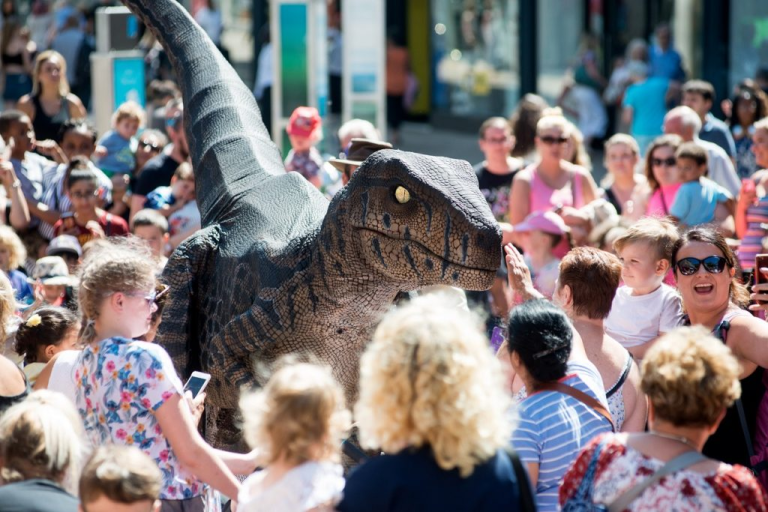


For families, that might mean turning a two-hour booking into most of the day because the food, retail, play areas, seasonal activity or surrounding spaces give them reasons to stay. For others, it might mean choosing a venue because it works socially as well as functionally, with hospitality, atmosphere and shareable details built into the wider experience rather than added afterwards – this is where retail and leisure thinking becomes interlinked.
Retail destinations have spent years refining customer flow, comfort, browsing behaviour, pause points and secondary spend, and attractions can apply a lot of that thinking without losing what makes them distinctive, to understand how people move through a place, where they naturally slow down, what encourages them to spend, and what makes the experience feel easy enough to keep enjoying.
Friction has a bigger commercial impact than it is often given credit for. Long waits for food, confusing routes, dead space between activities, poor queue management or a weak retail offer all affect how people feel about the day as a whole, even when the main attraction itself is strong. A visitor might not describe that as a journey-design problem, but they will feel it in how quickly they leave, how much they spend and whether they recommend the experience afterwards.

The strongest attractions tend to reduce that friction before people consciously notice it. Queue areas continue the story instead of pausing it and food and drink feel connected to the environment rather than dropped into a corner. This only works when the extras feel properly considered, visitors can spot a commercial afterthought quickly – merchandise may feel generic, hospitality could feel disconnected or a photo opportunity might feel forced. Add-ons that perform best are ones that feel specific to the experience, whether that is a product people want to keep or a piece of content they would naturally want to share.
Operators need to know where people slow down, where the experience loses energy, where spend drops off. These questions aren’t glamorous but they do reveal the parts of the visit that could be working much harder.
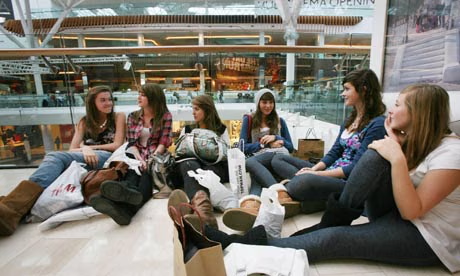
Attraction marketing still puts heavy pressure on first-time attendance, but repeat behaviour can be shaped through seasonal programming, limited-run menus, changing retail drops, live activity, memberships and event-led reasons to return. Retail destinations have understood this for years, people need a fresh reason to come back, even when they already know the place.
Understanding both sides of this mix properly matters as the commercial opportunity sits across the full visit, from the campaign that gets people there and the PR that gives them a reason to care, to the influencer content that helps spread the word, the theming that makes the experience distinctive, the wayfinding that keeps the journey moving, and the extras that encourage people to stay longer and spend more.
Once those parts are joined up destinations can drive attendance, spend, dwell time and repeat visits in a way that feels connected from the first touchpoint to the decision to come back.