Most of us shop online and most of us still enjoy going into physical shops –  it’s how modern retail works. Online and offline play different roles, at different moments, for the same customer. 

Retail parks win on convenience. Destinations need to be worth the trip. So heading into 2026, physical retail has to give people a reason to show up, one that goes beyond ticking off a shopping list.

Discover the trends that will matter for 2026…

The role of physical stores 

ICSC’s Halo Effect III report shows that physical stores drive a +6.9% uplift in online sales within their local area. When consumers have easy access to a physical store, they’re more likely to shop with that brand online too. 

In other words, a strong store network goes hand in hand with a healthy ecommerce business. 

This is why the best shops remain in demand, even as some retailers reduce the overall size of their portfolios. Savills reports average shopping centre vacancy at 16.5%, but for prime centres that figure drops to just 9.5%. 

What separates the best from the rest is the full experience – retail combined with leisure, food and services – enough to justify a visit and earn a customer’s time. 

Experience is no longer the “nice extra” 

If there was one theme that kept resurfacing at MAPIC and Retail Destination LIVE, it was this – experience is now doing some of the heavy lifting. 

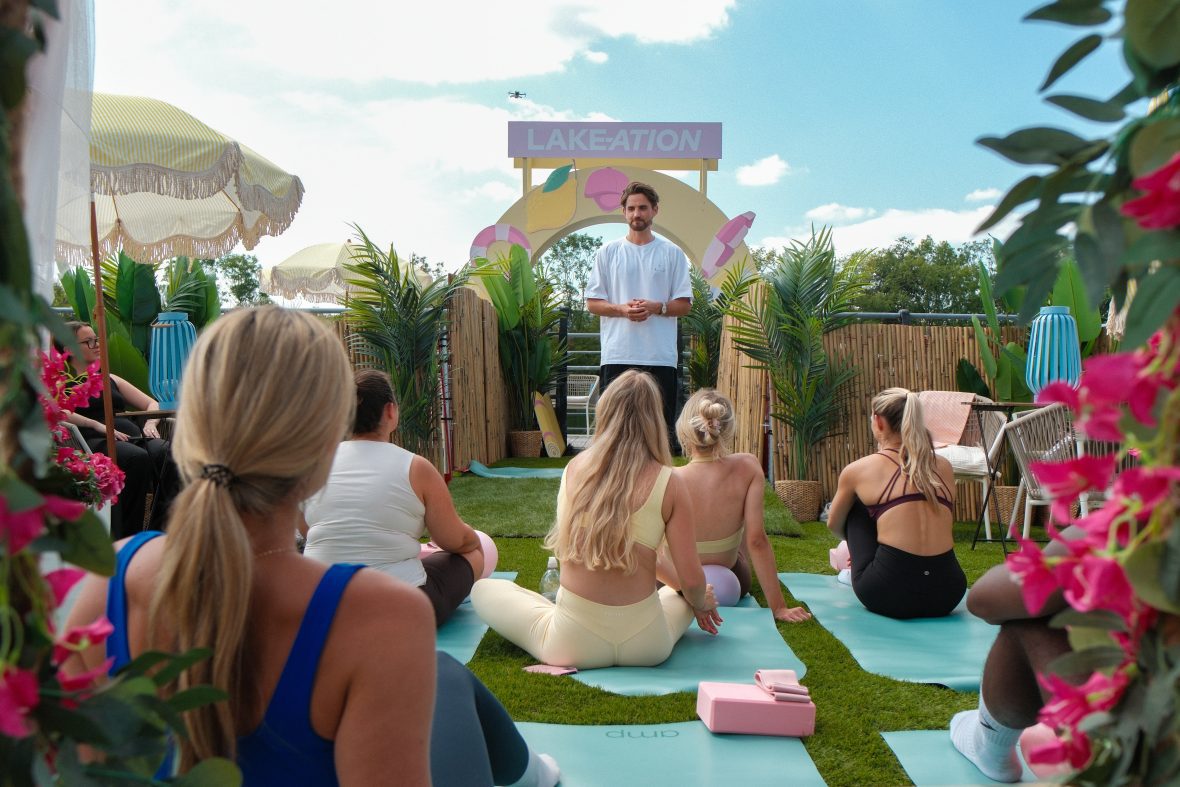
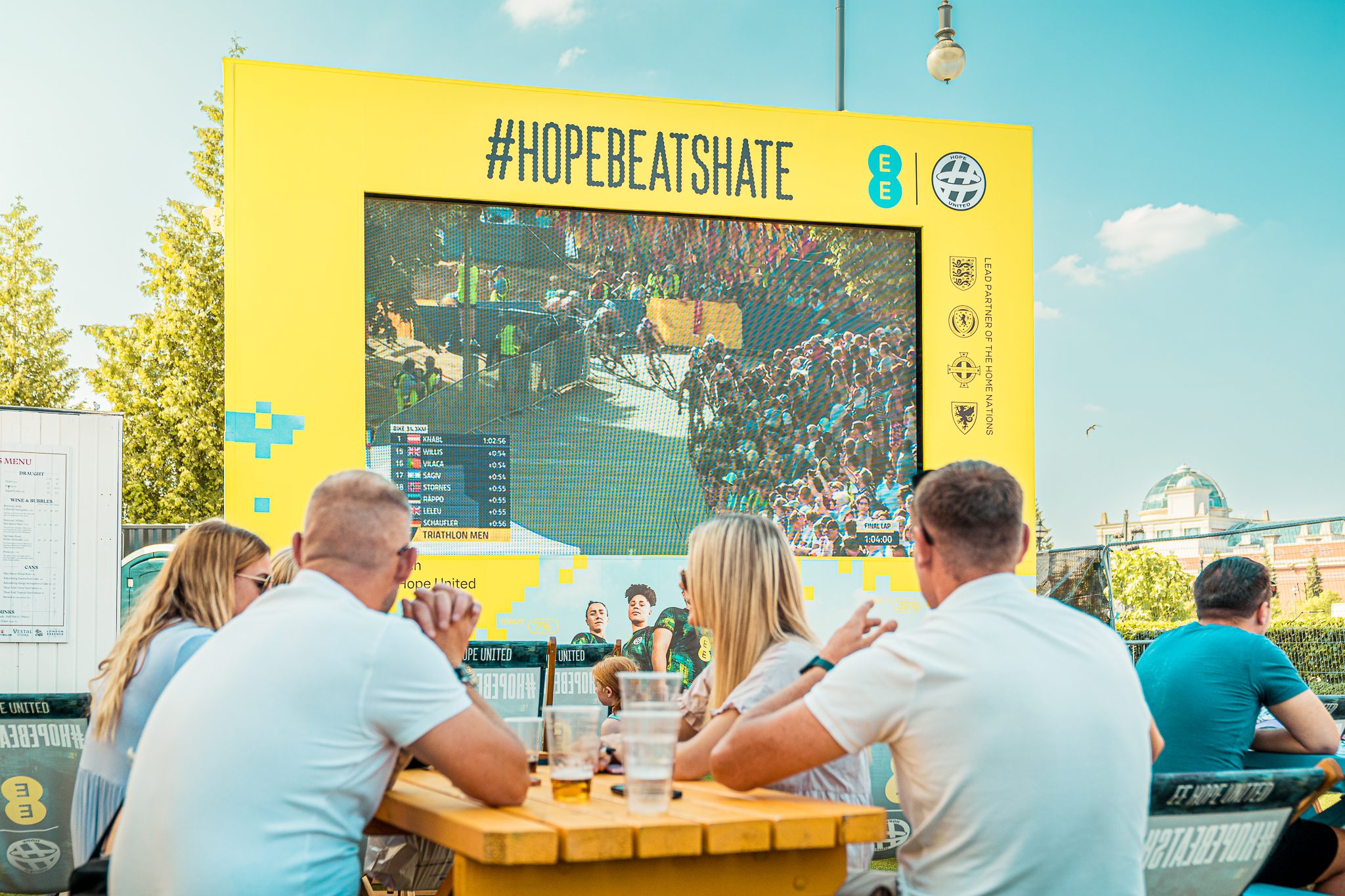
Large retail units are increasingly being given over to experiences such as competitive socialising, immersive play, wellness, hybrid venues and food-led gathering spaces. People want something to do. Something that fills an afternoon. Something worth sharing. Something that feels like time well spent. 

As destinations rethink their anchor strategies, retail alone can’t carry the weight. Experience has to play a leading role. What defines the strongest shopping centres is the full mix of leisure, food and services working together to make the visit feel worthwhile. 

Read more: We came for the shopping but stayed for the yoga

Food continues to outperform 

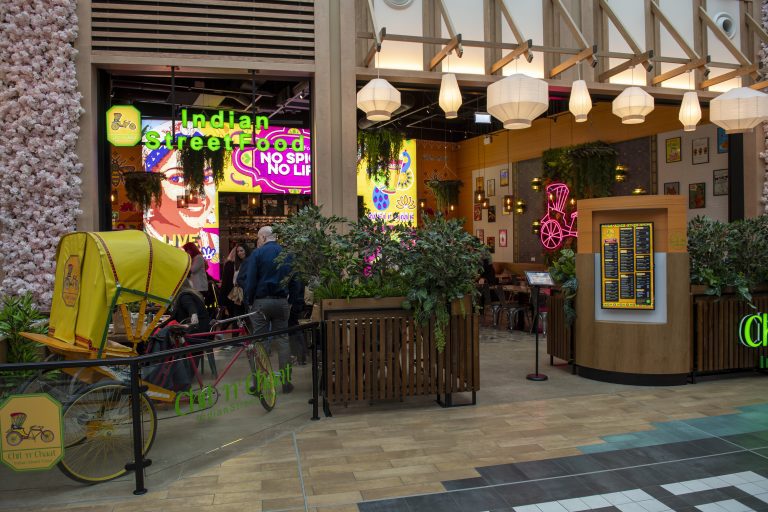
This one won’t surprise anyone. Food remains one of the strongest-performing categories in physical retail. Food halls, flexible dining concepts, multi-brand kitchens and large social F&B operators are still expanding. 

With the night-time economy climbing higher on the priority list for planners and operators, we’re also seeing more early-evening and late-evening programming that blends food, events and atmosphere into one single proposition. 

This is where destinations often have the most creative freedom. A strong food and evening offer can shift perception faster than almost any other category.

ESG, wellness and circularity. From principle to practice 

We’ve said it before and we’ll say it again, ESG is no longer a corporate box-ticking exercise or a marketing stunt. ESG is a baseline operating standard. 

Savills’ Green Lease Survey 2025 shows that green clauses are now included in 62% of new leases. This is a clear signal that sustainability is being embedded into how retail is planned, let and operated. ESG is shaping development decisions, refurbishment strategies and OPEX models as standard practice. 

For consumers, however, sustainability is manifesting as wellness, where shoppers are looking for environments that are psychologically restorative, places that reduce friction, noise and stress. Retail destinations are being used as “third places” – for leisure, wellbeing and time spent away from home and work. Calm and comfort matters. Feeling good in a space matters. 

As a result, wellness has quietly crept into the brief. Materials, lighting, planting, rest spaces, event programming and public realm improvements are all being shaped with mood, ease and mental wellbeing in mind. Luxury isn’t required, thoughtfulness is. When a place feels good to be in, people stay longer. 

The landlord–tenant relationship 

The relationship between landlords and tenants is changing. Traditional lease models are increasingly outdated, replaced by arrangements that are more flexible, more collaborative and more commercially aligned. 

Retailers are demanding room to test and learn, often with shorter commitments and lighter fit-outs, while asking landlords to share more of the risk. 

Emerging brands, in particular, are unwilling to take on the level of risk once expected of them and landlords increasingly recognise that these tenants need space to evolve. 

In response, turnover-based rents are becoming more common, shifting the dynamic from fixed agreements to shared outcomes. 

This is pushing landlords to think differently about how they maximise an asset’s value. To support tenant performance, landlords are increasingly expected to provide meaningful visitor insight and data that helps retailers drive sales, not just open doors. 

As omnichannel journeys are now the norm, retailers want data that reflects that reality. They expect to understand who is visiting, when they’re visiting, how long they’re staying, where they go next. Destinations that can offer this level of insight become far more attractive to tenants.  

Alongside this shift, local makers, independents and market-style formats are appearing more frequently. They bring character, community connection and originality offering something genuinely different from online retail and helping destinations feel rooted, not replicated. 

The question for 2026 isn’t whether people will visit retail destinations — it’s why they would choose yours.
Chat to us

Hey, let us know your
,
& we’ll be in touch.
Prefer a call?
Leave your
. It’s that easy.